Students
Students of XLI

Merve Begüm Bacınoğlu
Focus on protein misfolding in chronic wasting disease to study disease pathogenesis, transmission, and diagnostic approaches through the study of prion strain diversity, host genetic factors, peripheral tissue distribution, and infectivity in in vivo experimental models.

Marco Besenzoni
Project aims to investigate inhibitory interneurons ultrastructure across both cortical network architecture and neuron-to-neuron synaptic connectivity in a mouse model recapitulating Angelman Syndrome, integrating correlative with conventional Electron Microscopy.

Beatrice Brusa
Her project explores the consequences of stress exposure on neural cells at the molecular level, with a focus on microglial inflammatory and oxidative homeostasis, as well as their relevance in the aetiology and treatment of psychiatric disorders.

Anna Corti
PhD project is focused on deciphering the molecular mechanisms orchestrating metastasis initiation and outgrowth in colorectal cancer (CRC). Through the generation and in-depth characterization of a CRC patient-derived organoid (PDO) library, her work seeks to reconstruct the regulatory networks that drive the metastatic phenotype.

Andrea de Donato
Project aims to characterize molecular and behavioral effects of a therapy based on stimulation of glutamatergic transmission for Rett syndrome

Andrea Giordano
His project aims to deliver mechanism-specific biomarkers that distinguish ALS from motor and sensory neuropathies and refine prognosis and treatment monitoring, by integrating spatial transcriptomics of nerve biopsies with ultrasensitive biofluid assays and skin-biopsy readouts.

Luisa Charlotte Guerrieri
Her project aims to investigate immune responses to different breast implant surface topographies and biomaterials, with a particular focus on the immunological milieu in patients with Breast implant–associated anaplastic large-cell lymphoma (BIA-ALCL).

Ugo Maria Iannacchero
His project focuses on the study of nuclear architecture and chromatin dynamics across diverse biological processes, from the prokaryotic cell cycle and dormancy to lymphocyte activation dysfunctions, by leveraging the innovative high-throughput sequencing-based technology 4f-SAMMY-seq.

Dalal Jomaa
Her PhD project aims to investigate the role of impaired Selenocysteine Insertion Sequence-Binding Protein 2 (SBP2) in modulating oxidative stress in the context of cardiovascular and neuronal pathophysiology using the SBP2 zebrafish mutant model, to elucidate the underlying molecular mechanisms and their relevance to disorders of the hypothalamic–pituitary–thyroid (HPT) axis.

Sadhana Jonnalagadda
Her PhD project focuses on understanding how monocytes and systemic inflammation shape response and resistance to CAR T-cell therapies in B-cell lymphomas.

Alessandro Limonta
Focus on the immunopathology of thymic epithelial tumors, with the aim of elucidating how these lesions promote immune dysregulation in affected patients.
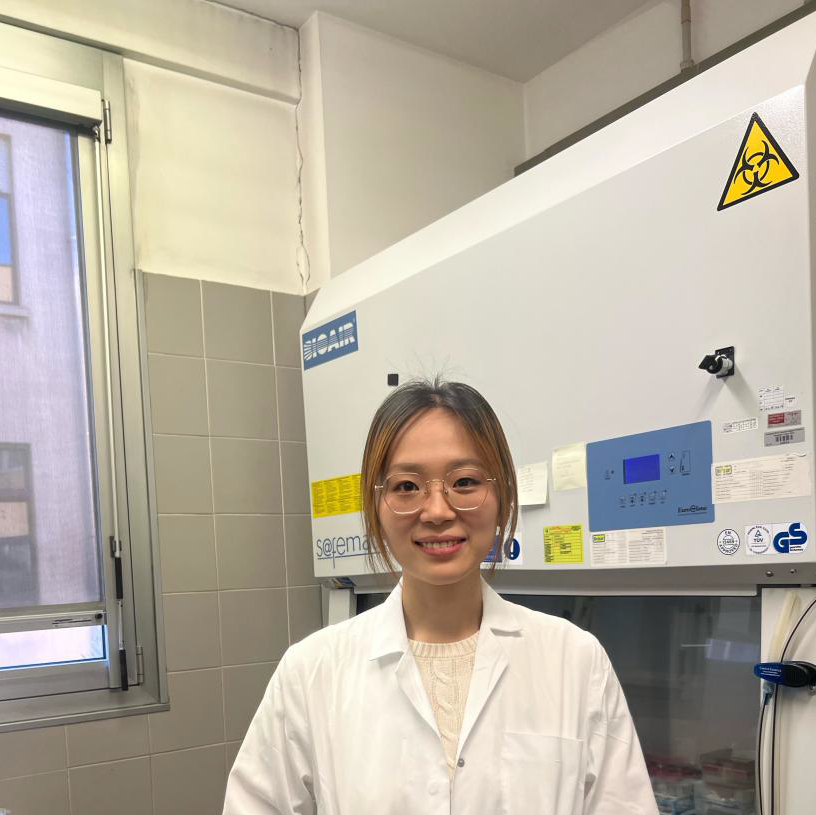
Jiazhi Lin
Splicing alterations and RNP granules in myeloid malignancies, with particular emphasis on Cajal bodies. This study aims to characterize the determinants of RNP granule formation in U2AF1 and SRSF2 mutant cells to identify therapeutic targets for myeloid malignancies linked to aberrant nuclear body function.

Eleonora Minacapilli
Multimodal profiling -integrating subcortical electrophysiological signals with brain tissue metabolomics – to elucidate the mechanisms underlying dystonia and to identify robust biomarkers that can guide personalized and adaptive deep brain stimulation strategies.

Enrico Pellegrini
His project aims to establish and combine in vitro cellular models derived from induced pluripotent stem cells
(iPSCs) for the study of amyotrophic lateral sclerosis (ALS), particularly focusing on the role of neuroinflammation in disease onset and progression.

Oriola
Gjana
The project focuses on the development of a combinational approach, based on both gene therapy and pharmacological treatment, in order to tackle Duchenne Muscular Dystrophy (DMD) through the implementation of conventional and alternative disease models.
Students of XL
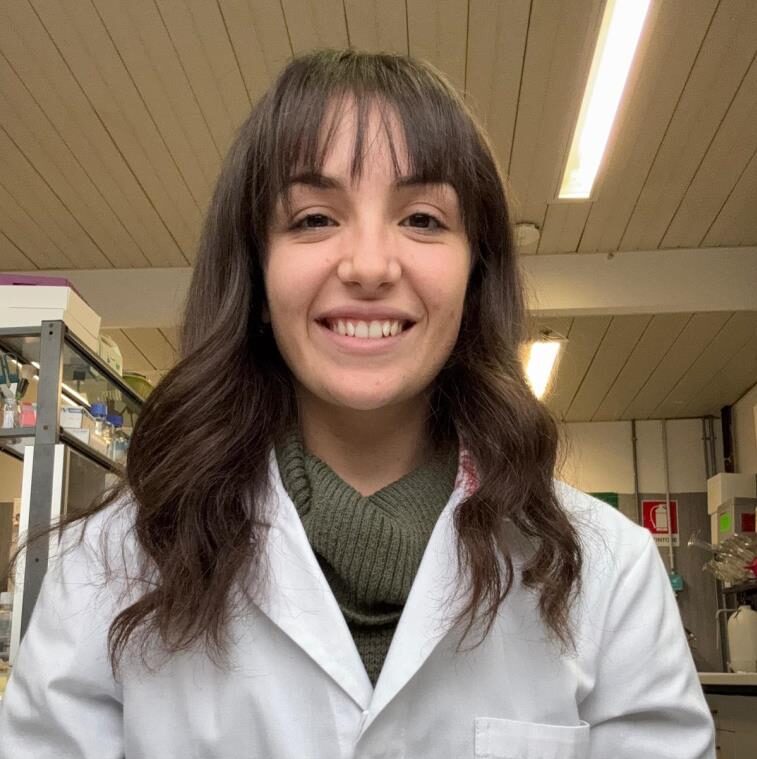
Erica Cannone
Characterization of GABAergic circuitries in the pathogenesis of Developmental and Epileptic Encephalopathy 9
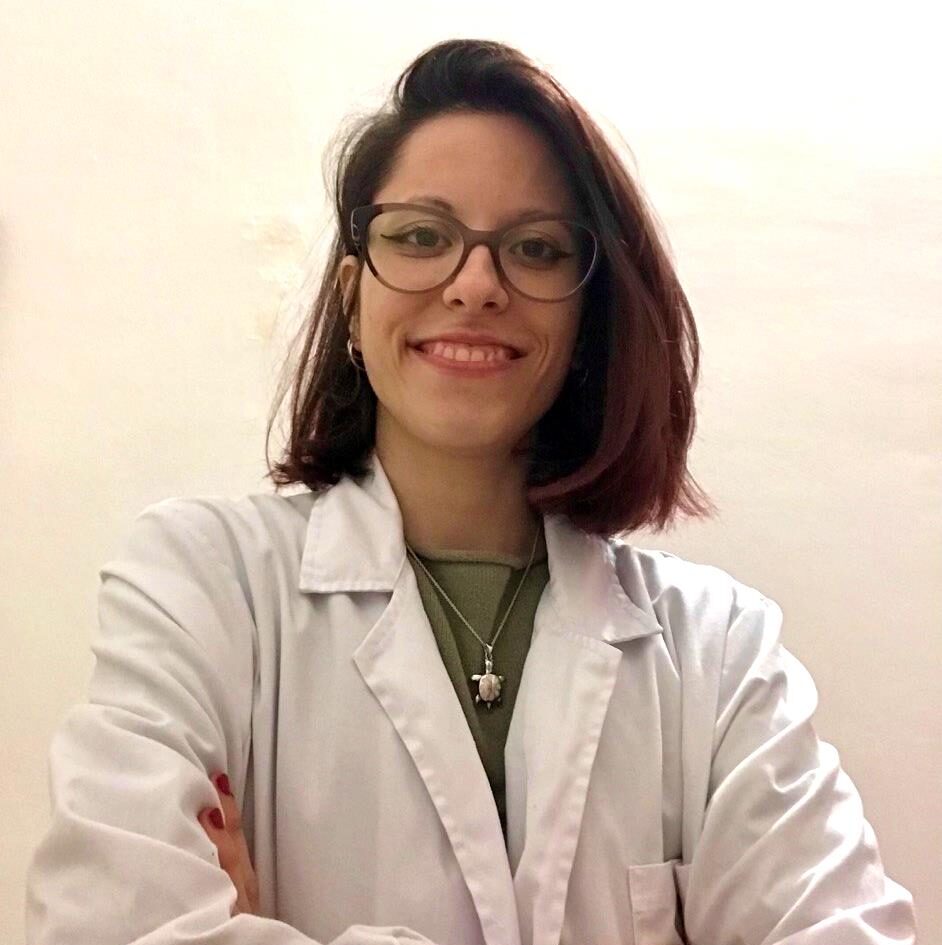
Sabrina Carbone
Exploring the therapeutic potential of histone deacetylase, both as single-agent treatments and in combination with other drugs and investigate the molecular mechanisms associated with their regulation in different pathological conditions.
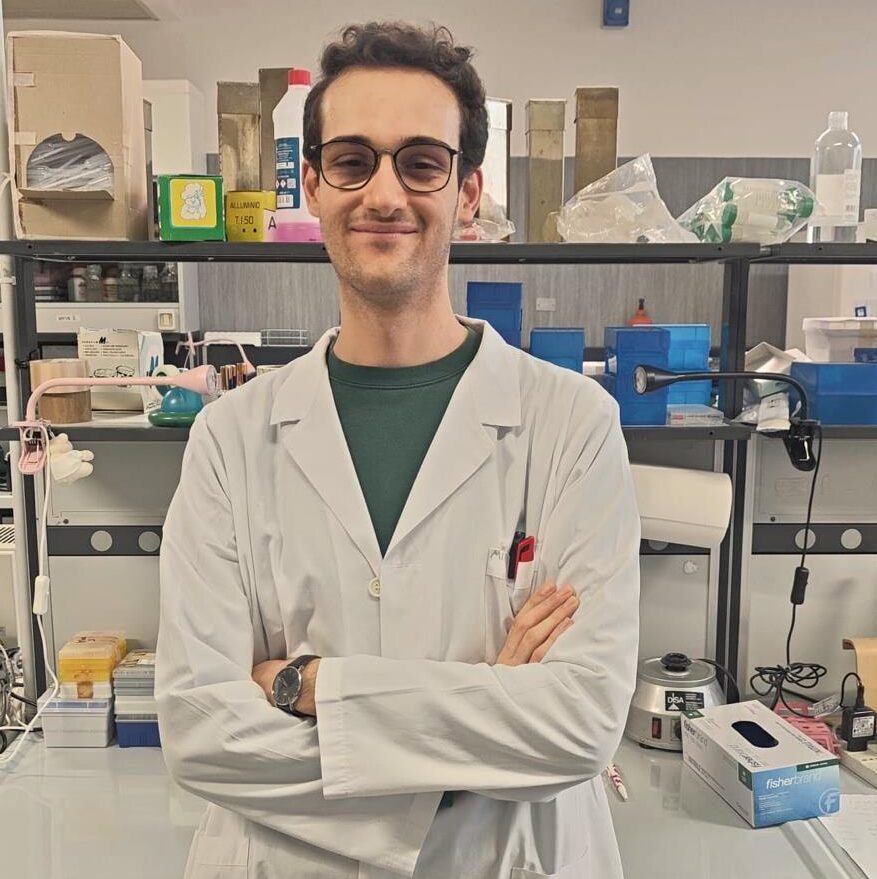
Filippo Chiesa
Establishing iPSC-based 2D and 3D neuronal models to study possible neurodevelopmental defects in Congenital Central Hypoventilation Syndrome.
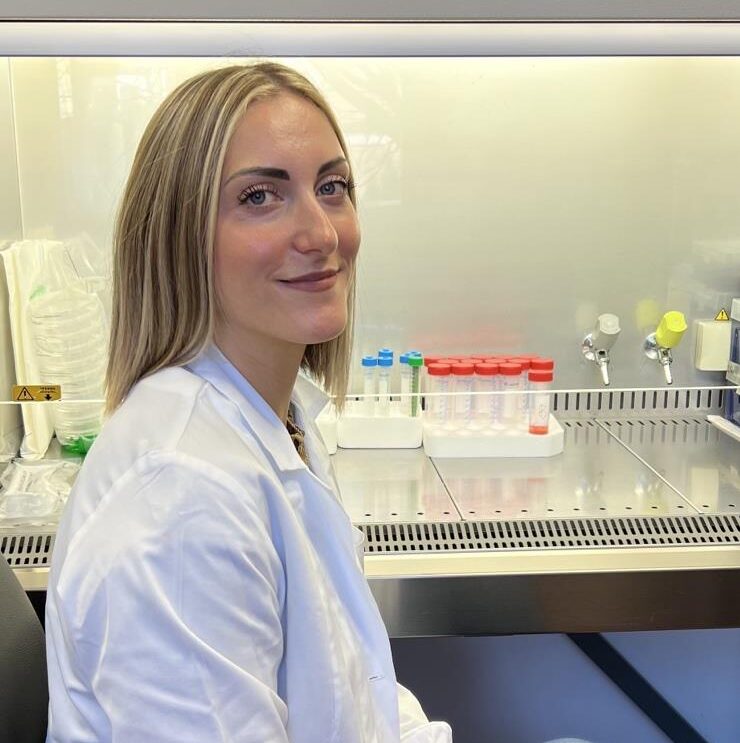
Sonia Di Bari
To study and to manipulate the alternative splicing of the insulin receptor in adrenocortical carcinoma, a rare malignant tumour, and to evaluate the in vitro and in vivo downstream effects of this manipulation.
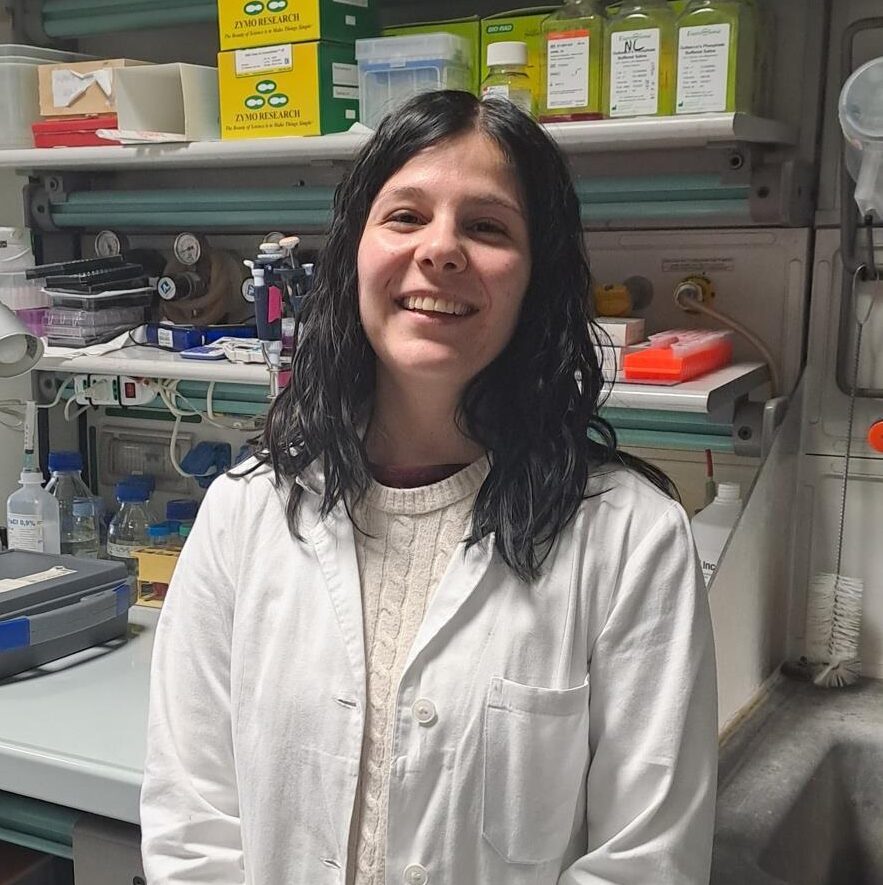
Elena Fara
Development RNA therapies for the treatment of neurodevelopmental disorders, focusing on RETT syndrome and CDKL5 Deficiency Disorder.
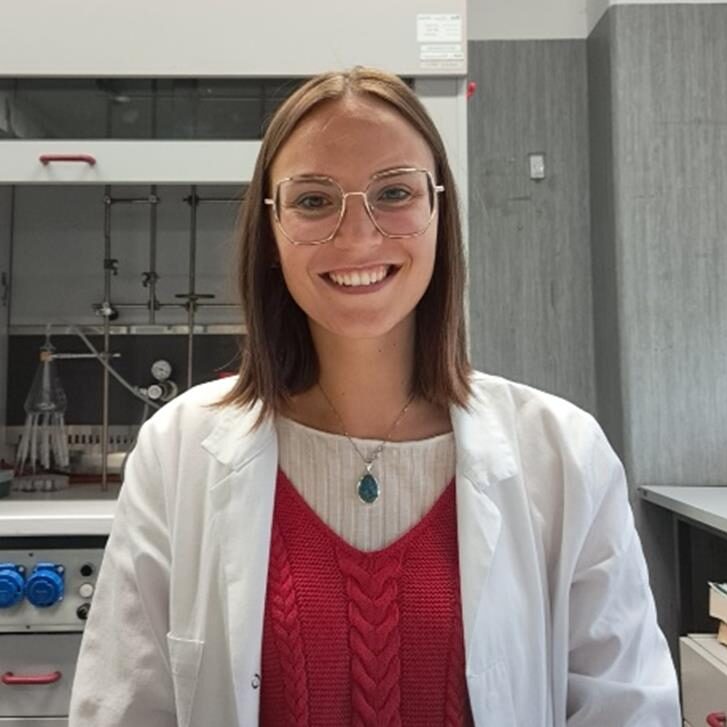
Gaia Galassi
Investigating altered molecular mechanisms in human diseases, focusing on glioblastoma and taking advantage of both in vivo and in vitro approaches.
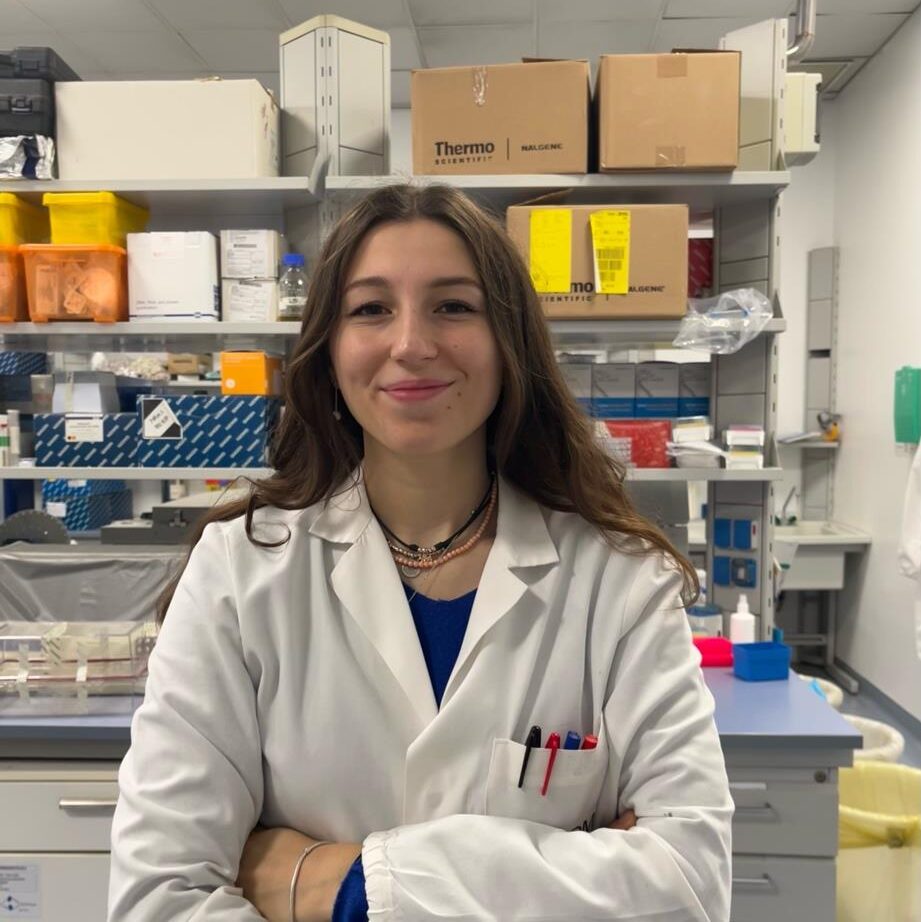
Anna Leoni
Exploring the molecular mechanisms underlying the pathogenesis of Cerebral Cavernous Malformations (CCM), a rare genetic neurovascular disease, with the ultimate goal to define and test potential therapeutic avenues on in vitro and in vivo models of the disease.

Benedetta Muda
Sociotechnical construction of “NeuroCOVID” as a disease category through omics data analysis and qualitative research methods.
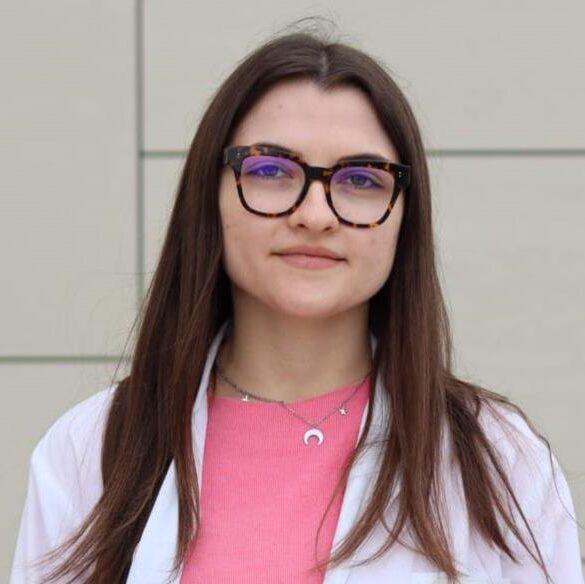
Lara Orlandi
Innate Immune Cells (NK cells and ILCs) in hematologic malignancies – mainly myelodysplastic syndromes- also in response to therapeutic interventions, aiming to investigate their involvement in disease pathogenesis and progression.
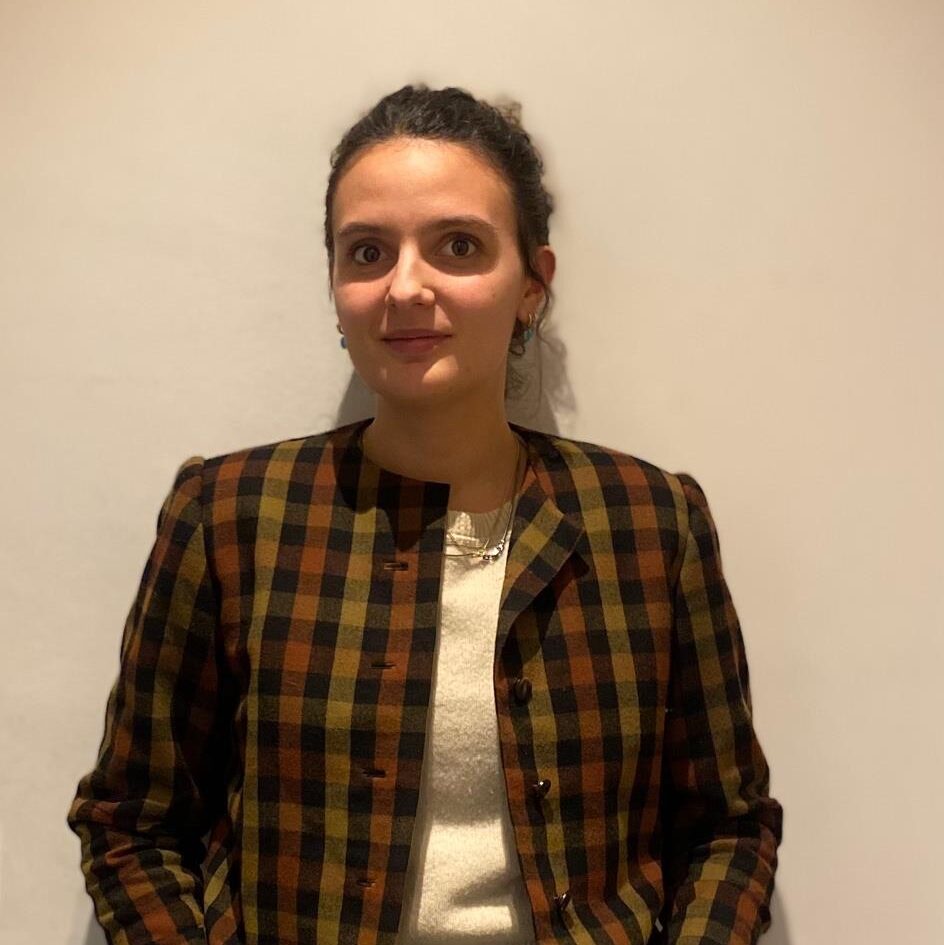
Francesca Postogna
To investigate the astrocyte-neuron interaction in the pathogenesis of Rett syndrome, focusing in particular on the role of astrocyte-derived extracellular vescicles.
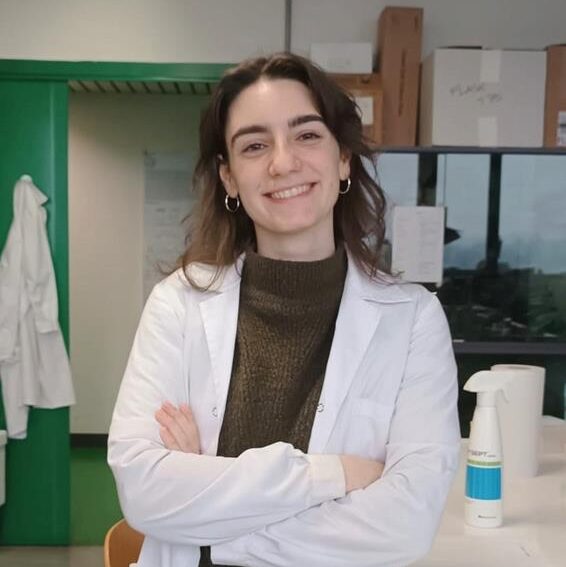
Anna Selimi
Finding personalized approaches and treatments for neurodevelopmental disorders, utilizing electrophysiological, in vivo, and in vitro techniques.
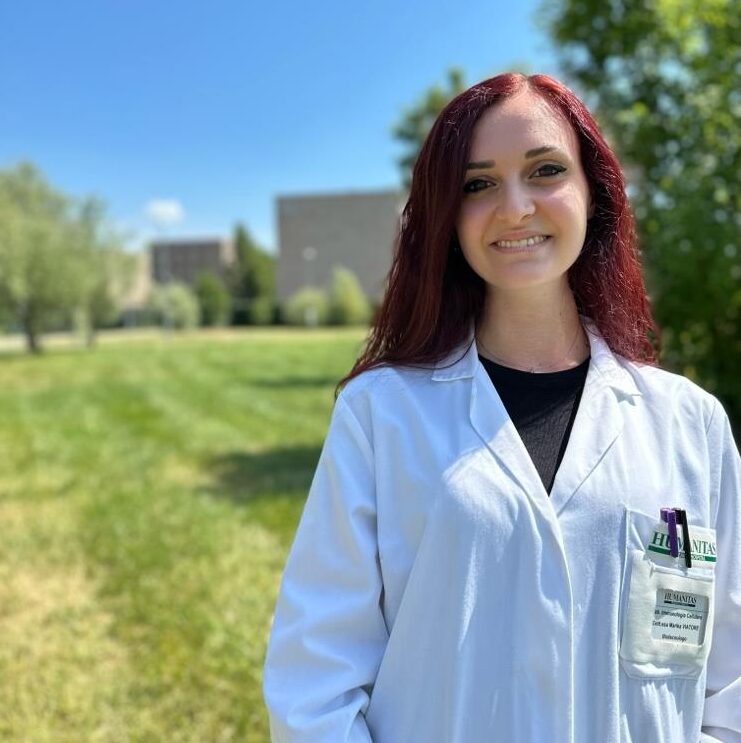
Marika Viatore
To identify and characterize immune cells profiles by exploiting multidimensional tissue analysis in several pathological settings such as pancreatic cancer.

Annalisa Imperiali
Studying the immune system through the analysis of single-cell RNA sequencing (scRNA-seq) data, utilizing bioinformatics tools and computational approaches.
Students of XXXIX
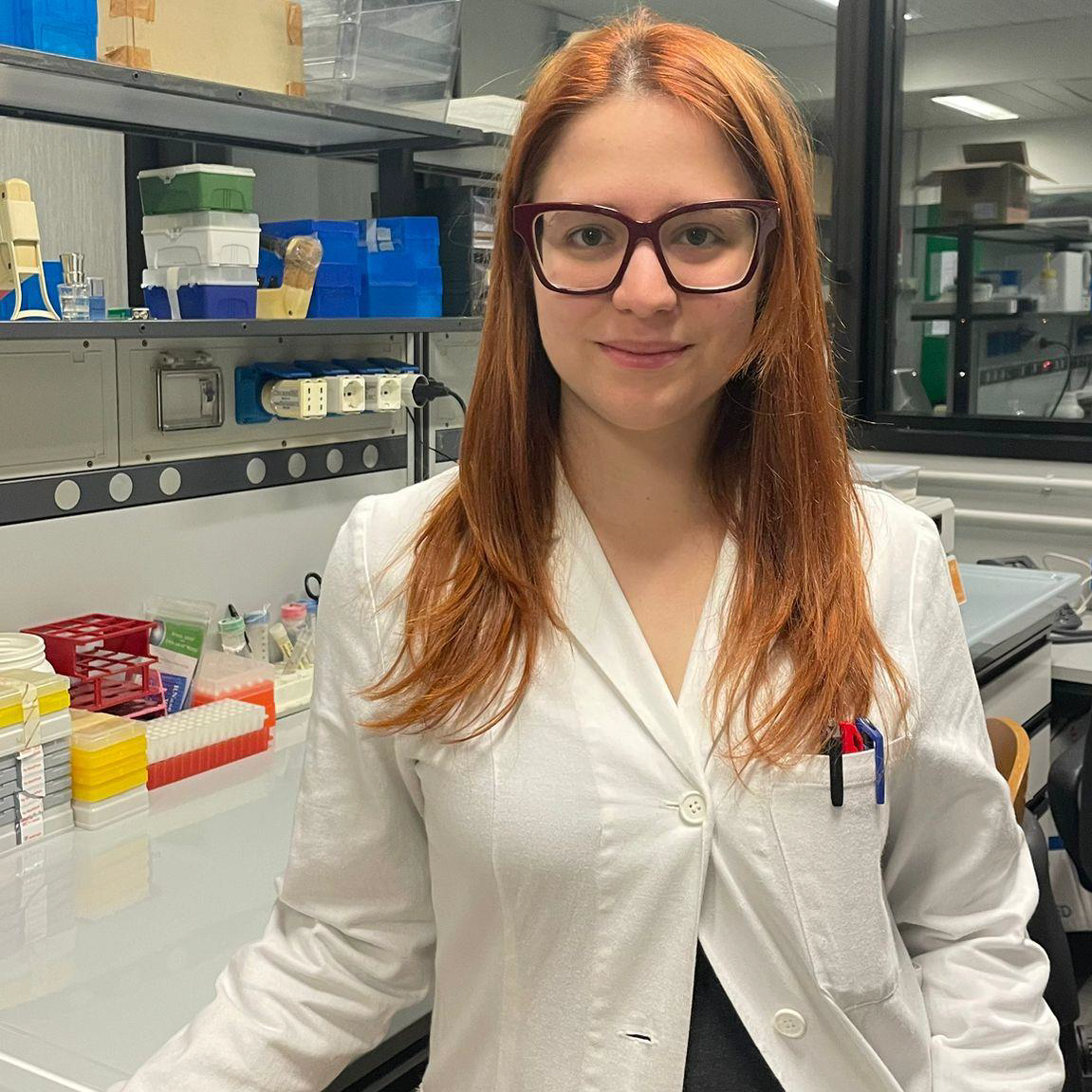
Martina Bertocchi
Study of Congenital Central Hypoventilation Syndrome, in particular the role of PHOX 2 B in differentiation of patient derived iPSC neurons
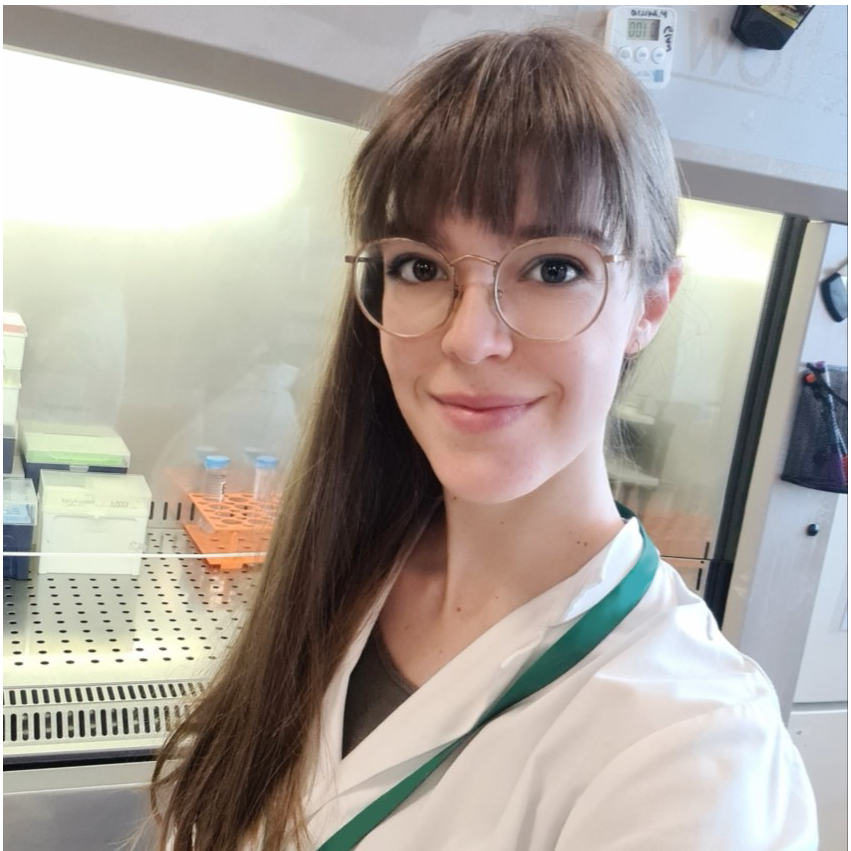
Roberta Ciceri
Characterization of the role and mechanisms of endothelial dysfunction in patients with antiphospholypid syndrome.
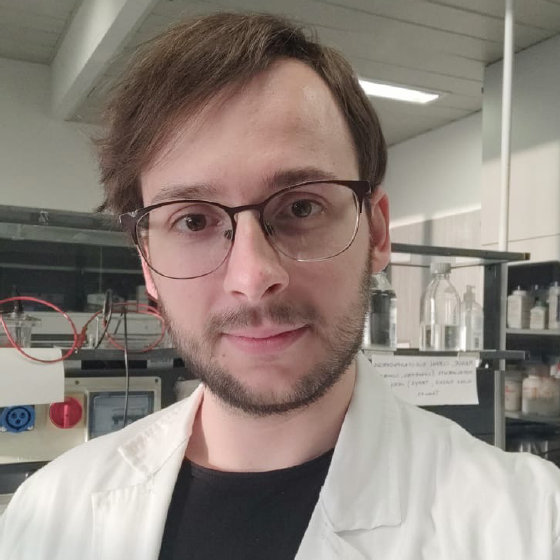
Riccardo Esposito
Cell metabolism modulation for the development of a new therapeutical approach in regenerative medicine field for the nervous tissue
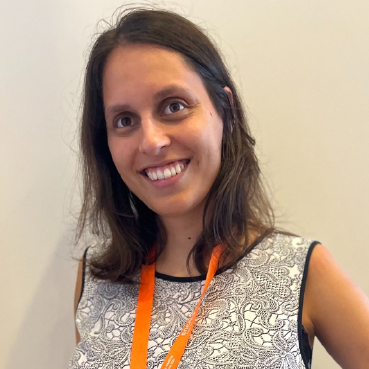
Sabrina Invernizzi
Study of pathomechanisms related to TARDBP gene in amyotrophic lateral sclerosis (ALS) using patient-derived iPSC models.
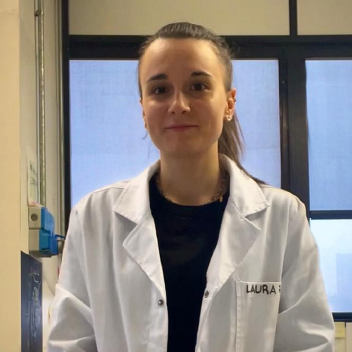
Laura Lociuro
The beneficial effects of persistent Sirtuin1 activation in dystrophic muscles and at exploring the synergic effects of the combination between micro-dystrophin gene therapy and Sirtuin1 activation.
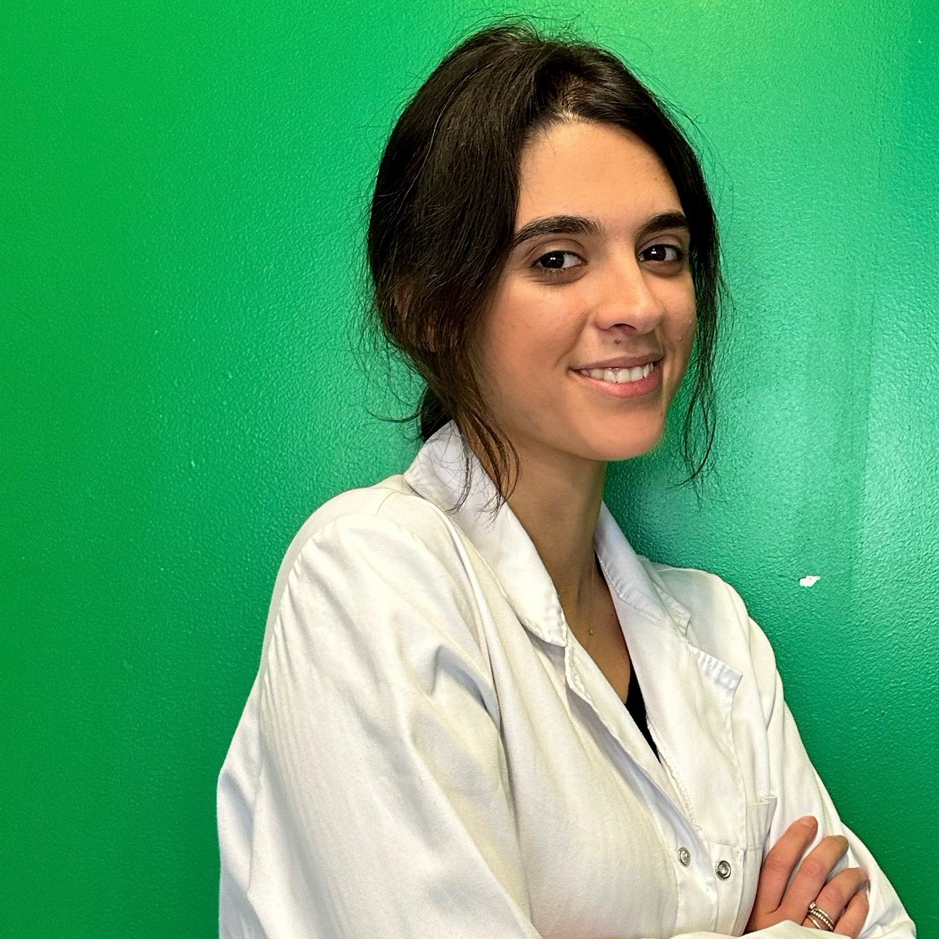
Arteda Paplekaj
The characterization and the preclinical validation of a novel epigenetic target in the treatment of Post-Traumatic Stress Disorder.
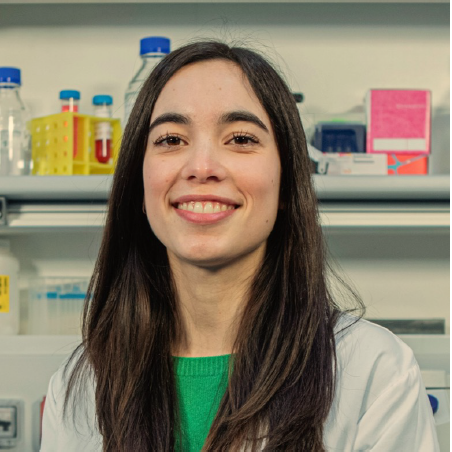
Rebecca Polidori
The application of artificial intelligence tools for the analysis of tumor tissues to study the cellular composition and the spatial organization of the tumor microenvironment.
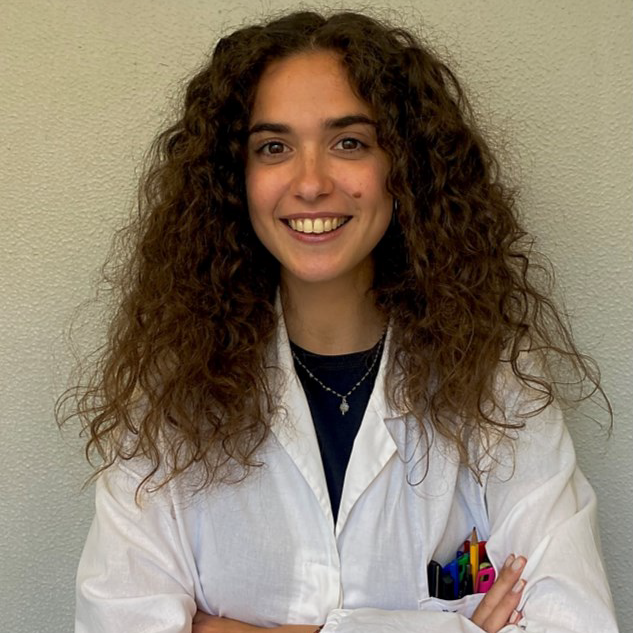
Valentina Traini
The role of the recently identified organelle named paraspeckle and its protein components in Multiple Myeloma pathogenesis
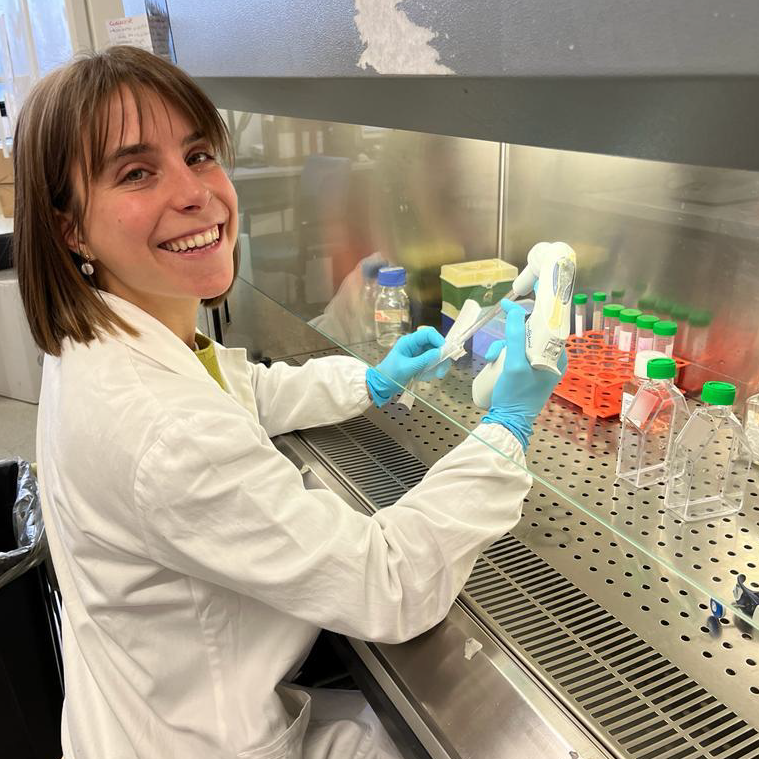
Isabella Zafferri
3 D culture system of human organoids, in particular, mini guts from patient exosomes to personalize therapy in Crohn’s disease
Students of XXXVIII
Simone Balin
Immunopathogenesis of thymic epithelial tumors and related autoimmune diseases
Anna Beneggi
Characterization of the molecular circuits that define the function of regulatory CD4 T lymphocytes
Francesca Cadelano
Priming strategies to enhance the effect of the secretome of mesenchymal stem/stromal cells in counteracting osteoarthritis through the action of EVs
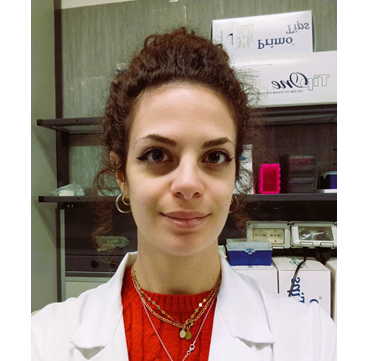
Sabrina D’Amelio
Role of oxidative stress in vulnerability to psychiatric diseases and in the mechanism of action of psychotropic drugs
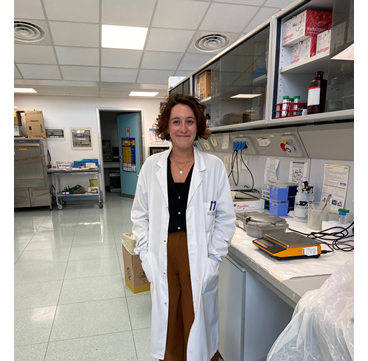
Ilaria Gentile
The zebrafish model as a means to validate the role of new pathogenic mechanisms and potential treatments for high-impact congenital diseases
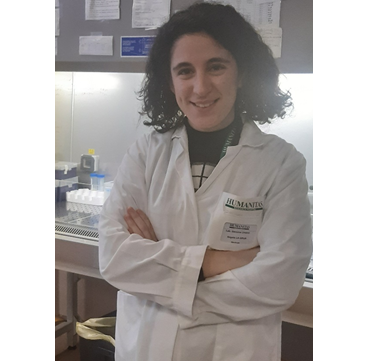
Angela La Grua
Correction of the genetic defect in induced pluripotent stem cell lines through chromosome transplantation
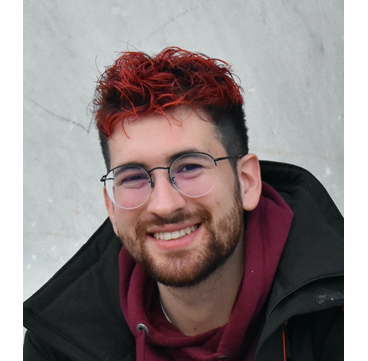
Paolo Marzano
Study of the escape mechanisms of metastatic colorectal cancer from immunological surveillance.
Francesca Minnai
Integrating pharmacogenomic and pharmacometabolomic data for personalized opioid therapy for advanced cancer pain
Emma Nozza
Molecular mechanisms regulating the Insulin-like Growth Factor (IGF) system in adrenal carcinomas
Giulia Pruonto
Study of the effect of Tumor Educated Macrophages on neural cells (Ex DM 352/2022)
Jawdat Sandakly
Identification and characterization of new modifier genes of Rett syndrome

Alessia Troilo
New regulatory mechanisms of macrophage function: the role of MS4A proteins

Martina Scichilone
Studying RNA modifications on tumor proliferation via high-throughput CRISPR base editing screening.
Students of XXXVII
Alessandro Frigo
Alessia Amenta

Carolina Dossena
Elena Romito

Martina Breccia
Sabrina Briguglio
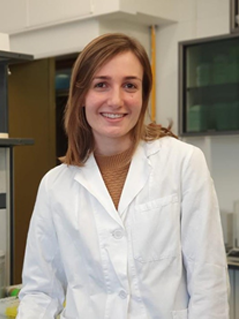
Silvia Rosanna Casati
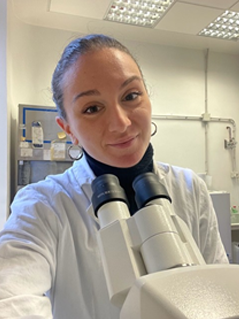
Emanuela Esposito
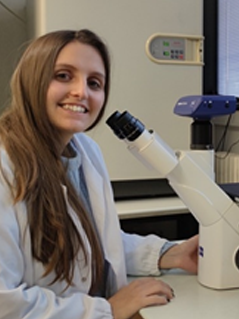
Giorgia Fedele
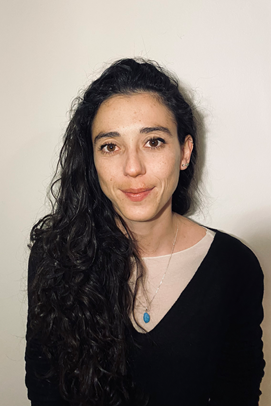
Maria Balbontin
Students of XXXVI
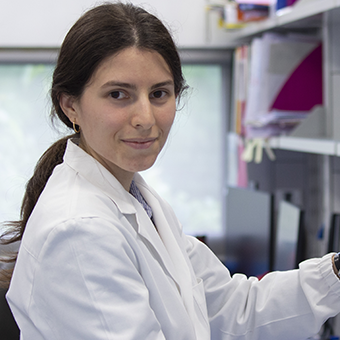
Roberta Bordo
Single-cell CRISPR pooled screening to dissect gene–function relations in colo-rectal cancer derived organoids.

Alessia Marica Brix
Zebrafish (danio rerio) as a model system for the functional validation of candidate genes in human diseases.
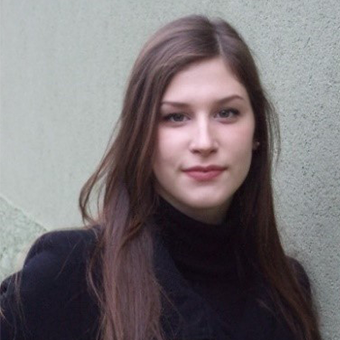
Valeria Casiraghi
Aggregation mechanisms of TDP-43 protein in response to stress in amyotrophic lateral sclerosis and therapeutic approaches
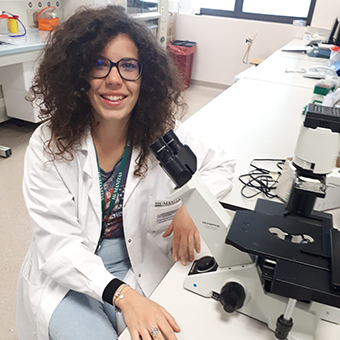
Valentina Cazzetta
Innate immunity and tumour escape mechanisms in the prognosis and therapy of ovarian and uterine cancers
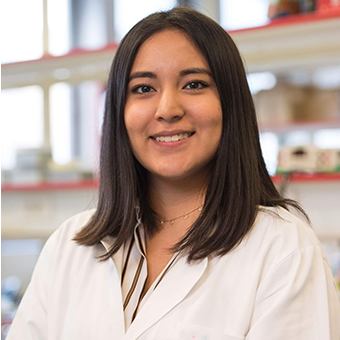
Ana Cuadros Gamboa
Use of induced pluripotent stem cells iPS for the study of Autonomic Nervous System (ANS) disease: focus on Congenital Central Hypoventilation Syndrome.

Giuseppina De Rocco
Stimulating neuronal activity in Mecp2 deficient brain to improve typical symptoms of Rett syndrome
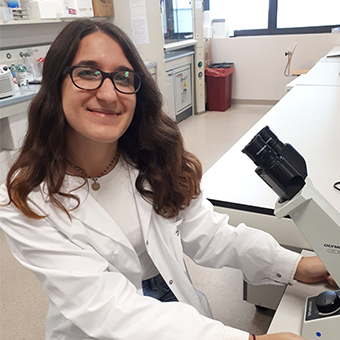
Sara Franzese
Role of innate immunity in the pathogenesis of primary biliary cholangitis

Zulkifal Malik
Combined pharmacological approaches for spinal cord injury regeneration
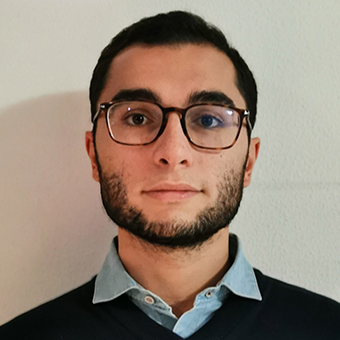
Alessandro Manzo
Development of novel therapeutic approaches to aggressive thyroid cancers, in vivo and in vitro studies
Students of XXXV
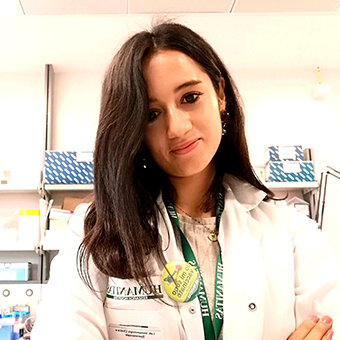
Assunta Cancellara
Role of endothelial dysfunction in the pathogenesis of unprovoked venous thromboembolism
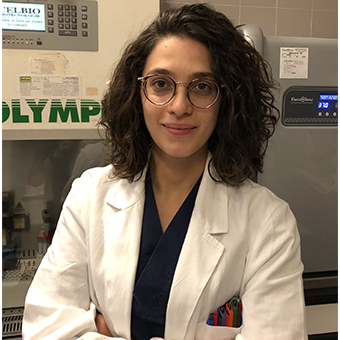
Vanessa Favasuli
Dissecting the pathogenetic role of deregulated non-coding transcripts associated with DIS3 gene mutations in Multiple Myeloma
Viola Ghiandai
Multicellular spheroids: a new model for thyroid cancer studies and drug screening.
Stefano Gianoli
Novel macrophage tetraspan molecules: biological relevance immune responses and therapeutic exploitation
Alessandra Maielli
The interplay between cellular aging and immune response in human colorectal liver metastasis: senescence as a new prognostic marker?
Federica Miramondi
Neural stem precursor cell therapy: a novel therapeutic approach for the treatment of Rett syndrome
Serena Santangelo
Investigation of pathomechanisms associated to amyotrophic lateral sclerosis in patient-derived cells
Clementina Sitzia
Obesity and cardiovascular disease: the role of the receptor for advanced glycation end products (RAGE) in heart steatosis
Vittoria Spero
Molecular mechanisms underlying the association between psychiatric disorders and inflammation as potential pharmacological targets
Students of XXXIV
Ramona Bason
Epigenetic characterization of tumor infiltrating CD4+ regulatory T cells
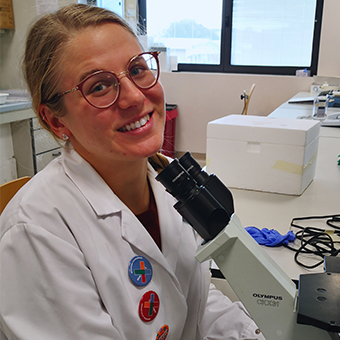
Michela Calvi
Pattern of innate immunity response in patients affected by myelodysplastic syndrome (MDS) either before and after hematopoietic stem cell transplant (HSCT)
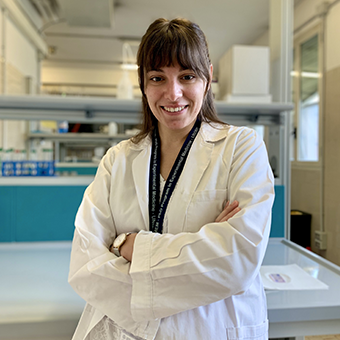
Clara Maria Cambia
Involvement of ATM and ATR in the regulation of the central nervous system development

Sara Casati
In vitro cross-talk between osteosarcoma (OS) cells and mesenchymal stem/stromal cells (MSC): lipidomic analysis of Evs derived from both MSC- and OS- cells
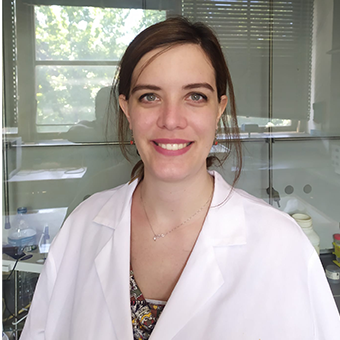
Maria Nicol Colombo
Unravel the mechanisms tuning neuronal network electrical properties in ALS
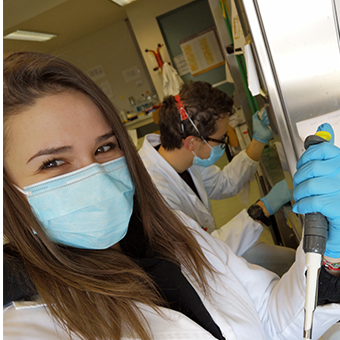
Domenica Giannandrea
Extracellular vesicles-mediated communication in remodeling multiple myeloma microenvironment: a new role for the Notch pathway
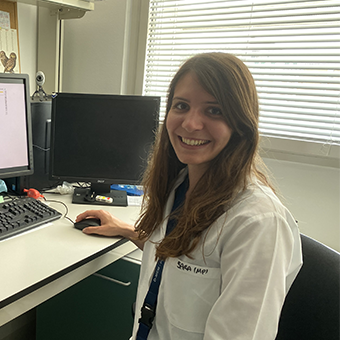
Sara Mazzoleni
Solving the puzzle of protocadherin-19 mosaicism to understand the pathophysiology of PCDH19 Female Epilepsy (PCDH19-FE)
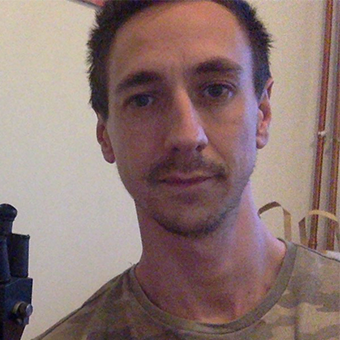
Alex Pezzotta
Zebrafish as a model to study common molecular mechanisms involved in cancer and neurodegenerative diseases

Davide Saronni
Zebrafish: an innovative model for neuroendocrine tumors.
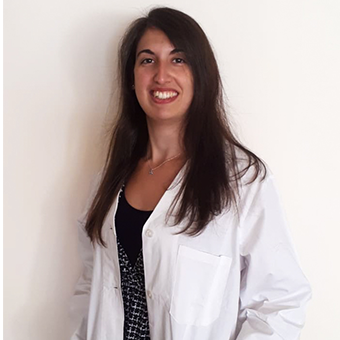
Roberta Scrimieri
Endothelium in Petri dish (2D) or on a chip (3D): studies on endothelial function/dysfunction
Information & contacts
Privacy and Legacy